Drip Irrigation
When it comes to garden watering, drip irrigation provides direct delivery of water with minimal water wastage. A drip tube distributes water directly to the roots of your plants and lawn, so there is no possibility of overspray and the effects of evaporation are minimised. With fewer exposed or moving parts, less can go wrong, so you’re less likely to encounter unwanted expenses down the track. We sell a complete range of drip irrigation products to ensure your new drip system works effectively.


Drip Irrigation·Drip Irrigation·
Main Menu
$0
0
Categories
Brands
Price
All Products
Showing 1 - 8 of 8 results
From
$53.50
21.52%
$53.50
21.52%

From
$31.19
$51.35
$31.19
$51.35

From
$15.68
$21.95
$15.68
$21.95

From
$227.96
$276.49
$227.96
$276.49

From
$101.75
$121.00
$101.75
$121.00
From
$44.62
$99.14
$44.62
$99.14

From
$52.98
$105.83
$52.98
$105.83

From
$8.39
$8.39

From
$63.16
$75.11
$63.16
$75.11

Only
$26.80
$61.60
$26.80
$61.60

Only
$24.59
$49.59
$24.59
$49.59

From
$133.10
$157.44
$133.10
$157.44
From
$77.48
$105.19
$77.48
$105.19
From
$60.35
$103.46
$60.35
$103.46
Only
$15.77
$27.29
$15.77
$27.29

Only
$13.84
$25.64
$13.84
$25.64

Only
$0.83
$1.12
$0.83
$1.12

Only
$166.63
$291.60
$166.63
$291.60

Only
$11.37
$19.06
$11.37
$19.06

Only
$0.06
$1.80
$0.06
$1.80

Only
$1.10
$1.46
$1.10
$1.46

Only
$79.57
$137.06
$79.57
$137.06

Only
$2.23
$3.45
$2.23
$3.45

Only
$2.05
$3.17
$2.05
$3.17

Only
$12.06
$19.99
$12.06
$19.99

From
$41.95
45.57%
$41.95
45.57%

From
$69.61
$70.95
$69.61
$70.95

From
$70.79
$100.07
$70.79
$100.07

Only
$599.00
$1540.00
$599.00
$1540.00

Only
$31.45
$73.38
$31.45
$73.38

Drip Irrigation Brands





Sign up to catch our next Drip Irrigation offer!
- Take 5% off your First Order
- Save Your Cart for Later
- Dedicated Project Help & Advice
Drip Irrigation Help
Need more help with Drip Irrigation ? Check out these handy resources from our Help Centre
How to DIY an Irrigation System: Your Step-by-Step Guide for 2026
How to DIY an Irrigation System: Your Step-by-Step Guide for 2026
Level Up Your Garden Crew: Book Expert Irrigation Training

Level Up Your Garden Crew: Book Expert Irrigation Training
Trying Your First Irrigation Design? Read These Expert Tips
Trying Your First Irrigation Design? Read These Expert Tips
We Supply The Best: How Always Greener Grows with Sunshower

We Supply The Best: How Always Greener Grows with Sunshower
First Friday, Every Month: Trade Brekkie BBQ @ Sunshower Cheltenham

First Friday, Every Month: Trade Brekkie BBQ @ Sunshower Cheltenham
The Best Wi-Fi Irrigation Controller Comparison for 2025
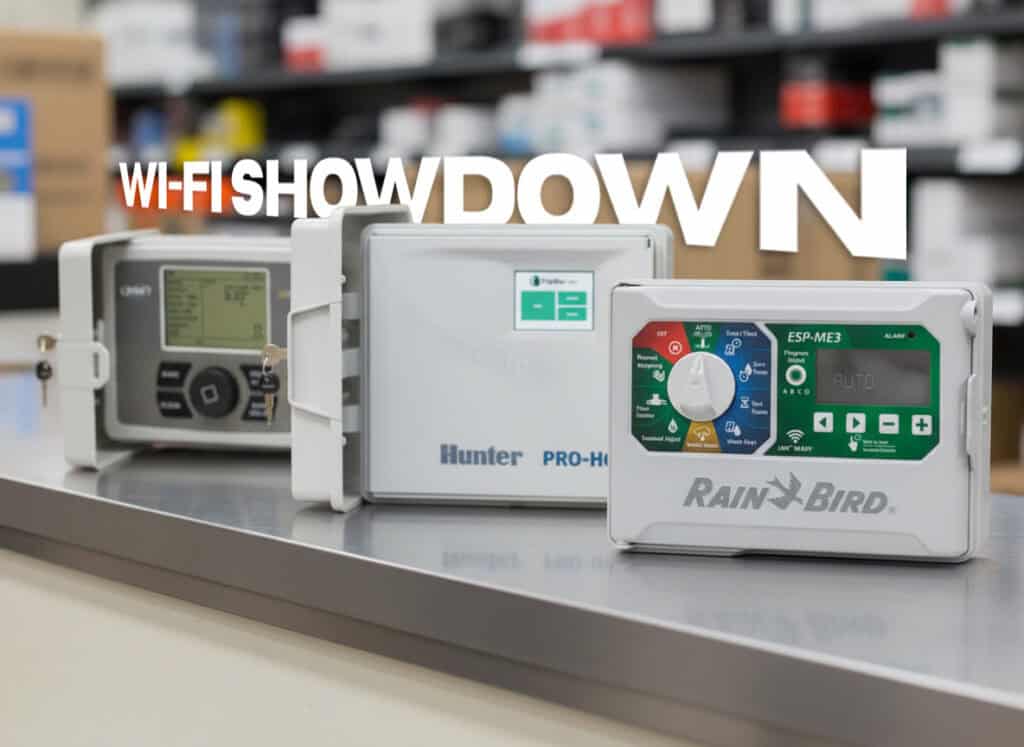
The Best Wi-Fi Irrigation Controller Comparison for 2025
Australia’s Best Irrigation Controllers for 2025: The Ultimate Guide

Australia’s Best Irrigation Controllers for 2025: The Ultimate Guide
Check Out The NEW Sunshower Cheltenham: Bigger & Better than EVER

Check Out The NEW Sunshower Cheltenham: Bigger & Better than EVER


Drip Irrigation·Drip Irrigation·
Drip Irrigation Calculators
Not sure what you need? We’ve built these Drip Irrigation calculators to help you figure out the best solution for your project! (They’re actually awesome)

FAQs
Why do my irrigation parts keep blowing apart?
The main cause of blowout is pressure. Whether it’s poly fittings, PVC fittings or timers, whatever the component, if the pressure is too high for what it’s designed for, kaboom! Simply solve the problem with a pressure reducer & make it a brass one if it’s on your water supply.
Why would I use drip tube instead of sprays?
Drip tube is excellent in areas of rich dense soil where water spreads nicely throughout. Installed under mulch, the water is delivered with minimal evaporation & wastage, going direct to the root ball.
Can I just punch extra holes into my drip tube?
No, drip tube isn’t simply holes punched into poly pipe. Inside each hole is an intricate dripper which delivers that water nice and evenly. Punching a hole will simply create an uncontrolled leak!
How many sprinklers can I have on a single irrigation zone?
Each sprinkler & nozzle will push out water at different rates, but the key factor is the flow rate of your water supply. Work that out with a simple timed bucket test. From there, you can work out how much water each sprinkler you’re looking at uses & work within your flow limit. For more information, check our Product Guides.
Should I flush my watering system before running it?
As you install a system, it’s almost inevitable that small fragments of dirt will get into the pipe, for this reason you should always flush out the system before running it the first time. This can be done by leaving an open end at the farthest point of each irrigation zone & operating the zone for 15 or so seconds to flush it out. Then plug it up & you’re good to go! This can also be said for any other times dirt may have gotten into the system (eg: further irrigation repairs or a mains water supply fault).
Can I have drip tube & sprinklers on the same irrigation zone?
We definitely don’t recommend it. Typically, drip tube will deliver the water at a far slower rate that sprays. Because of this, if you were to have both on the same zone, the areas with drip would be left far drier than the areas with sprinkler coverage. If you do want to water some areas with drip & some with sprinklers, it can be done, but each will just need to be run on their own separate irrigation zones.
Do I need a filter on my irrigation system?
Even on a typical domestic system running on mains water a filter is still a good idea. In the event of a water main fault where rubbish does find it’s way down the line, a filter will protect the system from blockage and or failure. On systems operating off recycled water, like from a tank, a screen filter is mandatory. Debris like silt & dirt from recycled water is the most common cause of blockages of failures in irrigation systems.
What is drip irrigation, and how does it work?
Drip irrigation is a water-efficient system that delivers water directly to the roots of plants through a network of drip tubes or emitters. It precisely releases water at the optimal precipitation rate, minimising evaporation and runoff. This targeted approach ensures plants receive the right amount of water, promotes healthier growth and reduces water waste, making it ideal for sustainable gardening.
What are the benefits of using drip irrigation?
Drip irrigation offers numerous benefits, including:
- Water efficiency — Reduces evaporation and runoff by targeting roots directly.
- Cost savings — It uses less water and lowers bills.
- Healthier plants — Provides consistent, precise watering.
- Eco-friendly — Minimises water waste and promotes sustainability.
- Low maintenance — Fewer moving parts mean fewer repairs.
Ideal for gardens, lawns and agricultural applications, drip irrigation stands as a smart, sustainable watering solution.
How do I set up a drip irrigation system?
To set up a drip irrigation system, plan your layout, considering plant types and spacing. Install a pressure reducer and filter at the water source. Lay drip tubing in a uniform grid throughout garden beds, securing it with pins. Finally, test the system to ensure even water distribution.
Can drip irrigation be used in both vegetable gardens and flower beds?
Yes, drip irrigation is ideal for both vegetable gardens and flower beds. It delivers precise, consistent water directly to plant roots, promoting healthier growth, reducing water waste, and ensuring optimal hydration for various plants and layouts.
Drip Irrigation·Drip Irrigation·


